If you’ve ever wondered when to use manual bidding in Google Ads and whether Smart Bidding is actually hurting your campaigns you’re not alone. It’s one of the most common questions we hear from small and medium business owners who feel like Google’s automation is spending their budget without results. In this guide, you’ll learn exactly what manual bidding is, when it makes sense over automated strategies, and how to implement it step by step without wasting ad spend.
What Is Manual Bidding in Google Ads?
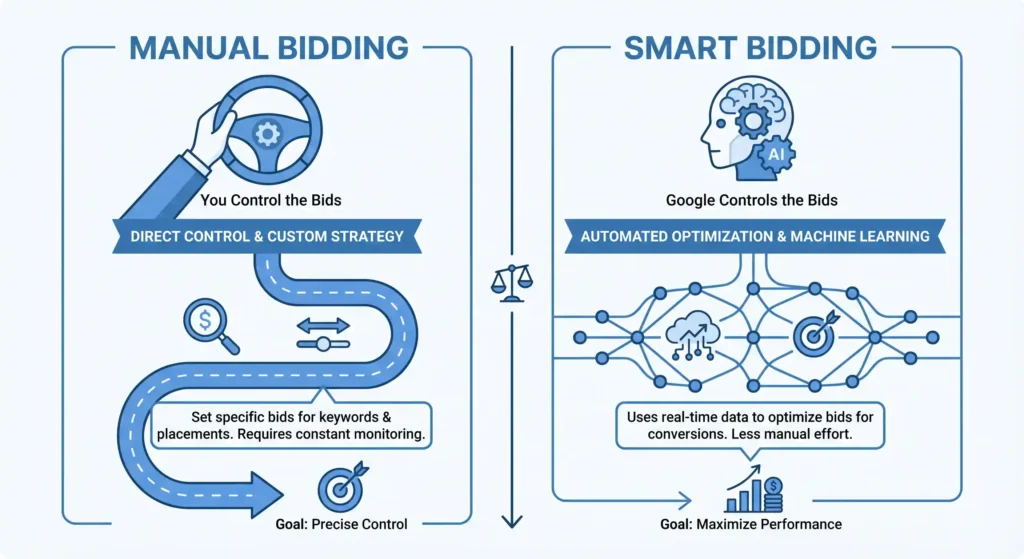
Manual CPC (Cost-Per-Click) bidding means you set the maximum amount you’re willing to pay for each click on your ad keyword by keyword, ad group by ad group. You’re in the driver’s seat.
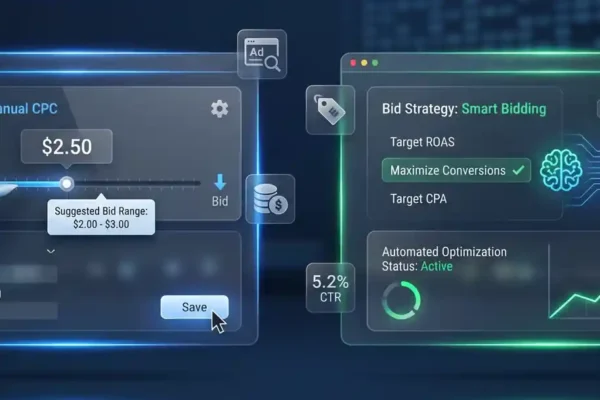
With Smart Bidding strategies like Target CPA or Maximize Conversions, Google’s algorithm automatically adjusts your bids using machine learning. That sounds great but it requires data. Specifically, Google recommends at least 30–50 conversions per month per campaign before Smart Bidding can work reliably.
Free Google Ads Audit
Want Me to Review Your Account?
I will check your campaigns, tracking setup, and show you exactly where the opportunities are — completely free.
If your account doesn’t have that data yet, automation can work against you.
Why Manual Bidding Still Matters in 2026?
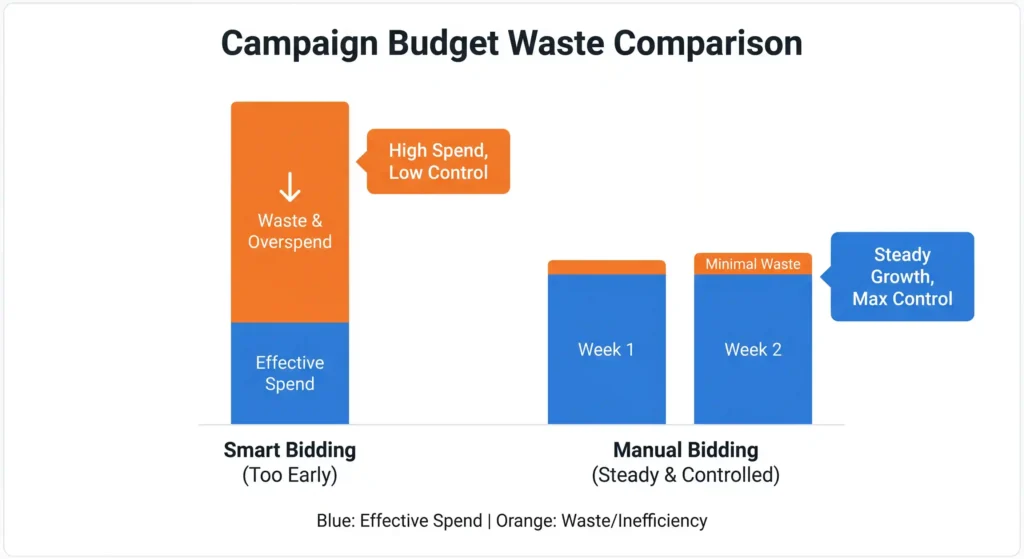
You might assume that with all of Google’s AI advancements, manual bidding is outdated. It’s not.
In our experience auditing hundreds of small business accounts, we regularly find campaigns bleeding budget because Smart Bidding was switched on too early before enough conversion data existed to guide it properly.
Manual bidding gives you direct control over costs, which matters enormously when you’re working with a limited budget of $500–$3,000/month. Here’s why it matters:
- Budget protection: You decide the ceiling for every click.
- Keyword-level control: High-intent keywords can get higher bids; broad or exploratory terms get capped.
- New campaign stability: You avoid algorithmic swings while building conversion history.
- Niche industries: In low-volume markets, Google’s algorithm simply doesn’t have enough signal to optimize well.
When to Use Manual Bidding in Google Ads: Step-by-Step Decision Framework
Step 1: Check Your Conversion Volume
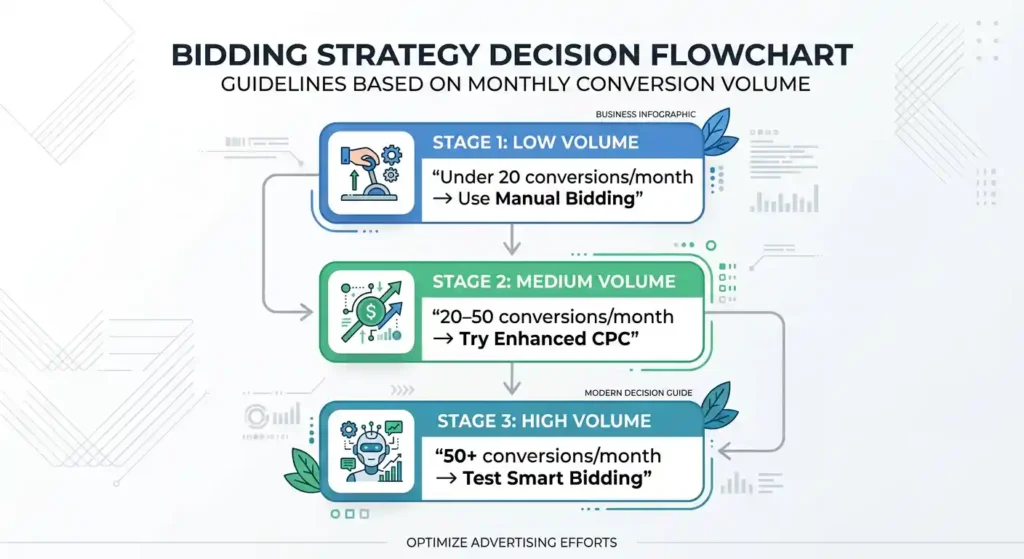
Open your Google Ads dashboard and look at your campaign’s conversion history over the past 30 days.
- Under 20 conversions/month? Manual bidding is almost always the right choice.
- 20–50 conversions/month? You’re in a grey zone consider Manual CPC with Enhanced CPC (eCPC) enabled.
- 50+ conversions/month? Smart Bidding strategies like Target CPA are worth testing.
This single check prevents the most common mistake we see: jumping to automation too soon.
Step 2: Assess Your Campaign Type and Goal
Manual bidding is especially strong in these situations:
- Brand new campaigns with zero conversion history
- Highly competitive niches where CPCs are expensive and you need cost discipline (legal, finance, medical)
- Tight daily budgets where you can’t afford algorithmic overspend
- Remarketing campaigns with a small, known audience
If you’re running a broad awareness campaign and don’t track conversions, manual bidding is the only strategy that makes logical sense because Smart Bidding literally has nothing to optimize toward.
Step 3: Set Your Bids Based on Keyword Intent
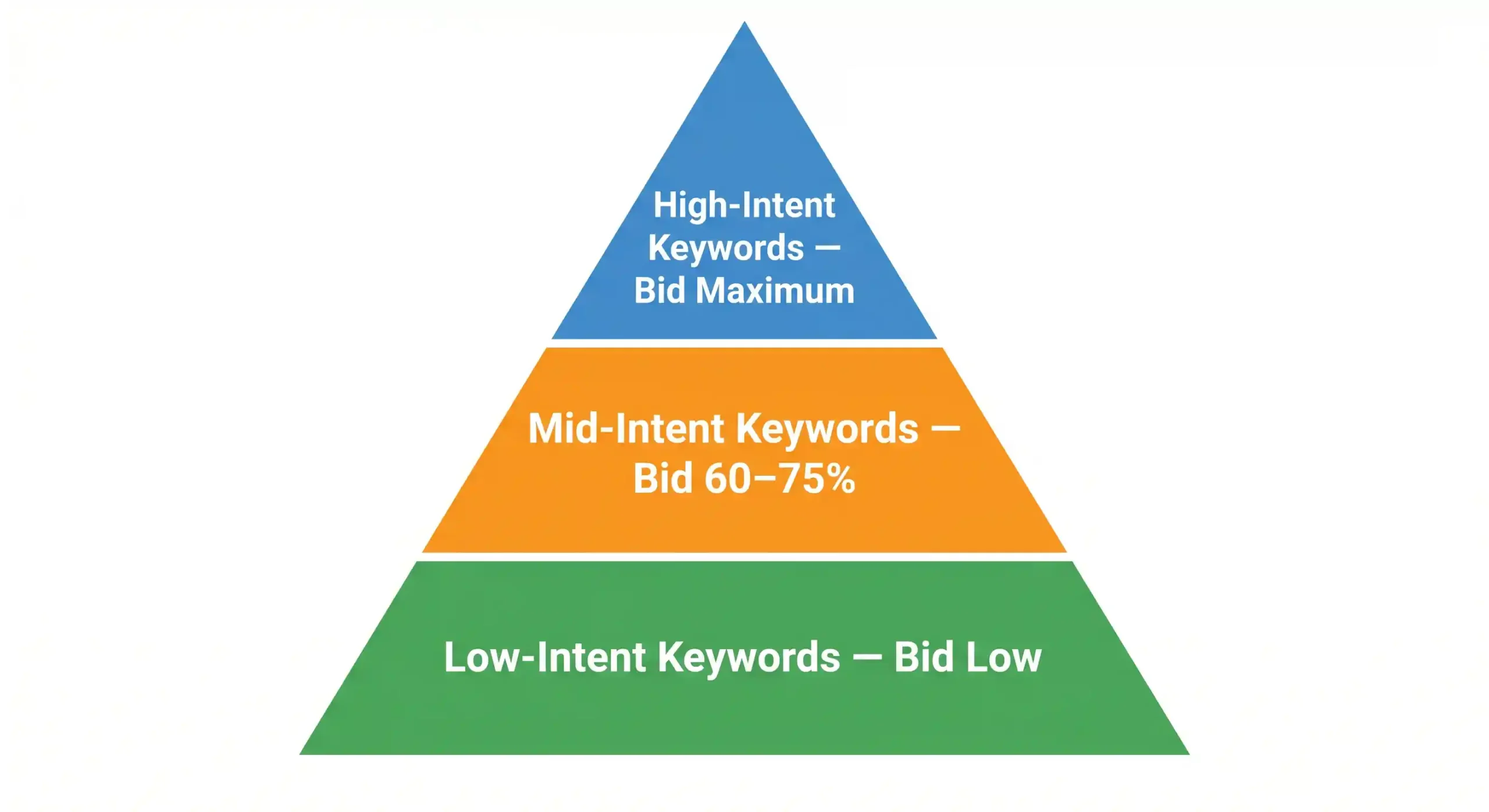
Not all keywords deserve the same bid. Use this hierarchy:
- High-intent keywords (e.g., “hire Google Ads specialist near me”) → bid at or near your maximum acceptable CPC
- Mid-intent keywords (e.g., “Google Ads tips for small business”) → bid at 60–75% of your max
- Low-intent or informational keywords → bid conservatively or exclude them
For more on structuring keyword strategy, see our guide on [Google Ads keyword match types for small businesses].
Step 4: Monitor and Adjust Weekly
Manual bidding isn’t “set and forget.” You should review performance every 5–7 days and adjust bids based on:
- Click-through rate (CTR) is the ad relevant?
- Average CPC vs. your target
- Conversion rate per keyword (once data builds up)
- Impression share are you losing visibility due to low bids?
Set a recurring calendar reminder. Consistency is what separates profitable manual bidding from wasted spend.
Step 5: Know When to Graduate to Smart Bidding
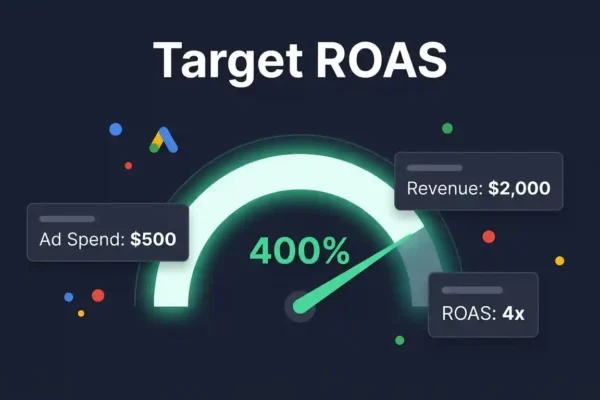
Manual bidding is a foundation, not a forever strategy. Once a campaign accumulates 30–50 conversions per month consistently, it’s worth A/B testing a Smart Bidding strategy ideally Target CPA or Target ROAS in a separate campaign or experiment.
Don’t abandon manual bidding company-wide all at once. Test methodically.
Common Manual Bidding Mistakes to Avoid
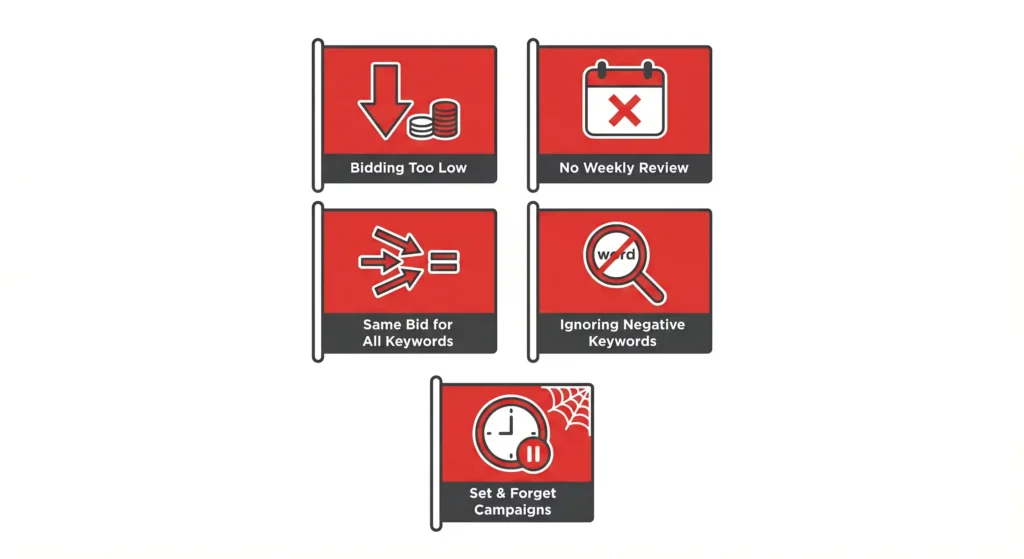
1. Setting bids too low out of fear. Being overly conservative means your ads don’t show. Find the balance review your Auction Insights report to see if you’re competitive.
2. Never reviewing bids after launch. Bids that were right in month one may be wrong by month three. Markets shift, competition changes, and your data improves. Review consistently.
3. Using the same bid for every keyword in a group. This is a huge waste. Always segment high-intent and low-intent keywords into separate ad groups so you can bid appropriately on each.
4. Enabling Enhanced CPC on a brand new campaign. eCPC gives Google some bid control. On a new campaign with no conversion data, this can actually work against you. Start with pure manual CPC first.
5. Ignoring Quality Score. A low Quality Score inflates your effective CPC even with manual bidding. Work on ad relevance and landing page experience alongside your bid strategy.
Conclusion: Take Control Before You Hand It Over
Manual bidding in Google Ads isn’t old-fashioned it’s strategic. For small and medium businesses with limited budgets or newer campaigns, it remains one of the most powerful tools for keeping costs under control while you build the conversion history Smart Bidding needs to work properly.
To recap: check your conversion volume first, match your bid strategy to your campaign goals, segment your keywords by intent, and monitor weekly. When the data is ready, then transition to automation not before.